
kyc
-
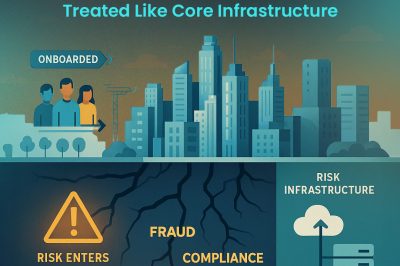
Why Risk Infrastructure Should Be Treated Like Core Infrastructure
In most digital businesses today—whether it’s lending, insurance, gaming, e-commerce, or gig work—growth and scale are the first goals. But what often gets left behind in the rush to onboard users quickly is a structured way to identify risk early. That’s a problem. Because risk doesn’t wait. It doesn’t show up in reports once you’ve…
-
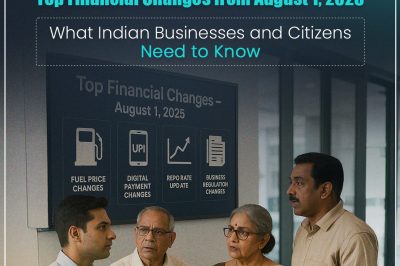
Top Financial Changes from August 1, 2025: What Indian Businesses and Citizens Need to Know
August 2025 is packed with significant financial and regulatory updates that could impact how Indians spend, invest, and do business. From changes in UPI usage to repo rate movements and fuel price adjustments, here’s a comprehensive roundup of what’s new this month. 1. New UPI Rules: Smoother Experience or Stricter Limits? The National Payments Corporation…
-

From Lender to Life Partner: Why Fintechs Must Verify the Whole User Story
Fintech platforms aren’t just service providers, they’re becoming life partners in their customers’ financial journeys. From offering instant credit lines and buy-now-pay-later services to managing wealth and underwriting insurance, fintechs have moved far beyond one-time transactions. With this shift comes a pressing need: to know who your user truly is, not just at onboarding, but…
-

The Power of Financial Literacy: Why Every Indian Needs It Now
What is Financial Literacy and Why Is It Important in India? Financial literacy refers to the ability to understand and effectively use various financial skills, including budgeting, saving, investing, credit management, and financial planning. In India, where digital banking, UPI payments, credit products, and online investments are exploding, financial literacy is no longer optional—it’s essential…
-
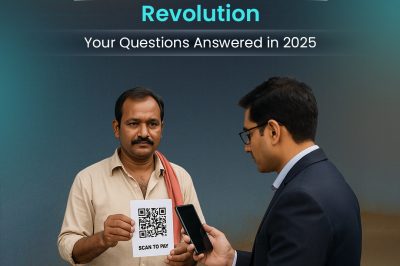
India’s Digital Payment Revolution: Your Questions Answered in 2025
India’s digital payment landscape is transforming at an electrifying pace, redefining how we transact, save, and manage our finances. As we push further into 2025, these advancements promise unprecedented convenience, but also raise important questions about security, access, and the future. Key Digital Payment Advancements Shaping India Recent years have seen monumental shifts, driven by…
-

Video KYC in Rural and Tier-2 Markets: Driving Financial Inclusion
India’s financial ecosystem is being deeply reformed. While digital banking and financial services thrive in urban hubs, much of the population in rural and Tier-2 towns remains underserved. Closing the gap isn’t merely an economic necessity but a social one. One of the drivers for this is bringing financial services within reach, efficient, and reliable.…
-

Understanding Money Laundering in India: Challenges and Solutions
Money laundering is a significant challenge for governments, financial institutions, and regulatory bodies worldwide. In India, where the financial ecosystem is rapidly growing, the threat of money laundering can have severe economic and social consequences. Defined as the process of disguising the origin of illegally obtained money to make it appear legitimate, money laundering undermines…
-
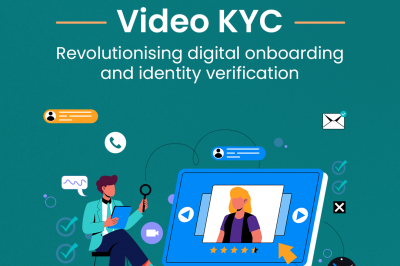
Video KYC: Revolutionising Digital Onboarding and Identity Verification
The Know Your Customer (KYC) process has traditionally been a linchpin for establishing trust between financial institutions and their clients. However, traditional KYC processes, often requiring physical document submission and in-person verification, have become outdated in a tech-driven world. Enter video KYC, a groundbreaking approach that simplifies the KYC process while retaining security and regulatory…
-
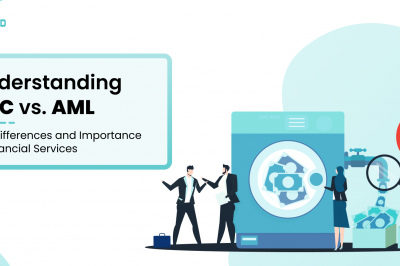
Understanding KYC vs. AML: Key Differences and Importance in Financial Services
In the financial services industry, adhering to regulatory standards is essential to maintain the integrity and security of financial transactions. Two critical components of these regulatory frameworks are Know Your Customer (KYC) and Anti-Money Laundering (AML) protocols. While often mentioned together, KYC and AML serve distinct purposes and are implemented through different processes. Banks, businesses,…
Recent Posts
- Digital Address Verification vs Physical Verification

- Digital Address Verification: How Banks and NBFCs Can Verify Addresses Without Field Visits

- Loan Recovery Technology: Using Digital Intelligence to Improve Borrower Contactability

- Digital Skip Tracing for Loan Recovery: How Lenders Can Find Hard-to-Reach Borrowers

- Aadhaar App Verification: How OVSE Enables Secure Digital Identity Verification

Categories
- APIs 66
- BFSI 88
- Digital Onboarding 98
- Gridlines 50
- Industry Insights 77
- KYB 12
- MSME 10
- Uncategorized 1
Tags
#GridlinesAPI address verification api AI in Fraud Detection aml API Integration APIIntegration Background check Business Verification digital KYC Digital Onboarding eKYC Employment Verification financial services fintech Fintech Solutions Fraud Prevention gridlines Gridlines API identity verification insurance kyc KYC API Last-Mile Delivery Security lending Prevent Delivery Fraud RC verification TrustEstablishment underwriting Verification video kyc