
APIs
-
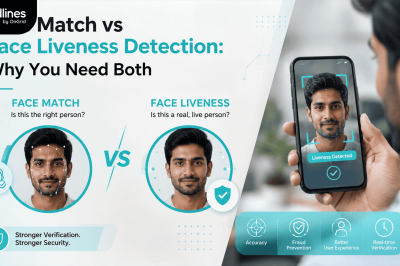
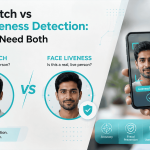
Face Match vs Face Liveness Detection: Why You Need Both
A selfie can tell you what a person looks like. It cannot, by itself, tell you whether the person is actually standing in front of the camera. That distinction is becoming increasingly important as financial services, fintech platforms, marketplaces, insurance companies, lending platforms and other digital businesses move identity verification online. A typical verification journey…
-
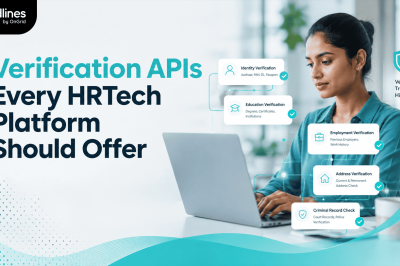
Verification APIs Every HRTech Platform Should Offer
HR technology has made hiring faster. Candidates can apply online, interviews can happen remotely, offer letters can be generated automatically, and employee onboarding can be completed without a single physical document changing hands. But there is a trade-off. The more of the hiring journey that moves online, the more HRTech platforms need to answer a…
-
Facial Recognition in India: Everything Businesses Need to Know
Facial recognition is no longer limited to airports, smartphones or security cameras. In India, businesses are increasingly exploring facial recognition for identity verification, digital onboarding, fraud prevention, attendance, access control and other use cases where knowing that a person is who they claim to be matters. The technology is particularly relevant for businesses operating digitally.…
-

10 DigiLocker API Use Cases for Businesses
India’s digital economy is built on trust. Whether it’s onboarding a customer, approving a loan, hiring an employee, or issuing an insurance policy, businesses need to verify documents quickly without compromising security or compliance. Yet, many organisations still depend on customers uploading scanned documents or photographs, which often leads to delays, poor document quality, manual…
-
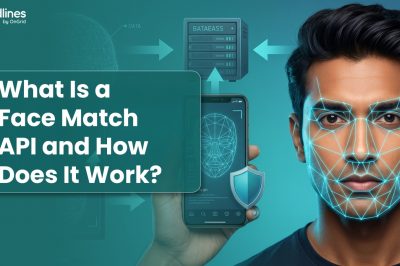
What Is a Face Match API and How Does It Work?
In digital onboarding, trust is everything. Every time a customer opens a bank account, applies for a loan, joins a gig platform, or signs up as a merchant, businesses are making a critical decision: can this identity be trusted? That decision has become far more complex in recent years. Fraudsters are no longer relying only…
-
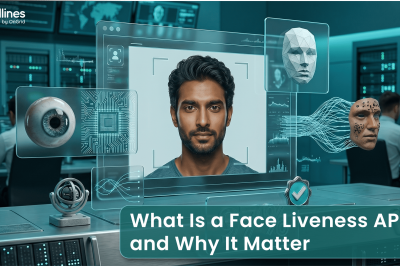
What Is a Face Liveness API and Why It Matters
Digital identity verification has evolved rapidly over the last few years. What began with document uploads and OTP verification has now moved toward real-time biometric authentication. Businesses today need faster onboarding, stronger fraud controls, and better customer experiences—all at the same time. That creates a difficult challenge. How do you verify that the person behind…
-
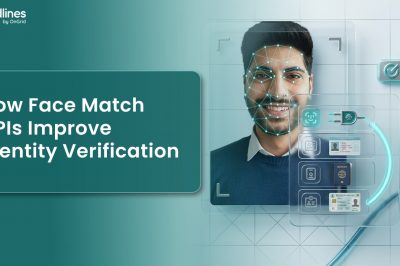
How Face Verification API Improve Identity Verification
Identity verification has become one of the most critical layers of digital trust. Whether it is onboarding a banking customer, approving a loan application, verifying a gig worker, or securing access to sensitive accounts, businesses today are constantly making trust decisions in digital environments. And in most cases, those decisions need to happen instantly. That…
-
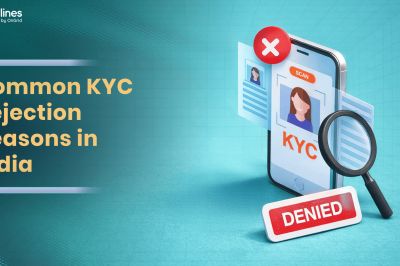
Common KYC Rejection Reasons in India (And How to Reduce Them)
In India’s rapidly digitising financial ecosystem, KYC—Know Your Customer—has become more than a regulatory formality. It is the gateway to banking, fintech services, insurance, and investment platforms. Yet, for many users, KYC remains a frustrating hurdle. Accounts get rejected, onboarding stalls, and customer frustration grows. For businesses, these rejections translate into lost revenue, higher acquisition…
-
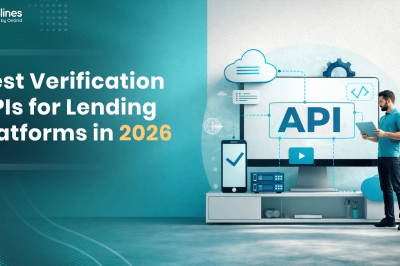
Best Verification APIs for Lending Platforms in 2026
In 2026, lending platforms are no longer judged solely on underwriting models or interest rates. The real differentiator is trust — how reliably a platform can verify borrower identity, data authenticity, risk signals, and compliance in real time. Traditional verification mechanisms — manual document reviews, static KYC batches, email-based confirmations — can’t keep up with…
-

How APIs Can Detect Identity Takeover & Account Hijacking
Identity takeover is no longer a perimeter problem. It is an ecosystem problem. For banks, fintechs, NBFCs, marketplaces, and digital platforms, account hijacking has evolved into a structured, data-driven threat. Attackers do not rely solely on brute force anymore. They leverage breached credentials, device spoofing, behavioral mimicry, and synthetic identity layering to bypass traditional controls.…
Recent Posts
- Face Match vs Face Liveness Detection: Why You Need Both
- Verification APIs Every HRTech Platform Should Offer

- Merchant Onboarding Checklist for Fintechs and Payment Platforms

- Invisible Fraud Signals Every Digital Business Should Monitor
- How to Verify a GST Number Online Using GSTIN (Step-by-Step Guide)

Categories
- APIs 66
- BFSI 83
- Digital Onboarding 92
- Gridlines 50
- Industry Insights 75
- KYB 12
- MSME 10
- Uncategorized 1
Tags
#GridlinesAPI address verification api AI in Fraud Detection aml API Integration APIIntegration Background check Business Verification digital KYC Digital Onboarding eKYC Employment Verification financial services fintech Fintech Solutions Fraud Prevention gridlines Gridlines API identity verification insurance kyc KYC API Last-Mile Delivery Security lending Prevent Delivery Fraud RC verification TrustEstablishment underwriting Verification video kyc