
Industry Insights
-

The Complete Guide to Digital Trust Infrastructure
Trust has always been fundamental to business. But in a digital-first economy, trust works differently. You may never meet your customers in person. Your merchants could be onboarded remotely. Your partners may operate across multiple geographies. Transactions happen instantly, often at massive scale. This convenience has transformed business operations—but it has also introduced a critical…
-
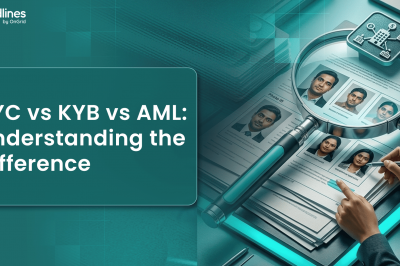
KYC vs KYB vs AML: Understanding the Difference
In today’s digital economy, trust has become a business-critical asset. Whether you are onboarding an individual customer, verifying a merchant, or screening transactions for suspicious behavior, identity and compliance checks are no longer optional—they are foundational. This is where three terms frequently appear in compliance and risk conversations: KYC, KYB, and AML. They are often…
-
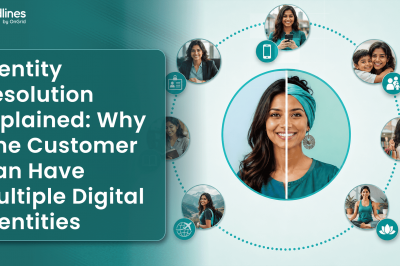
Identity Resolution Explained: Why One Customer Can Have Multiple Digital Identities
In digital systems, identity is rarely as straightforward as it appears. On paper, a customer may seem easy to define. A name, phone number, email address, government-issued ID, bank account, and a few supporting documents should be enough to establish who they are. But digital identity does not work that way. A single customer can…
-
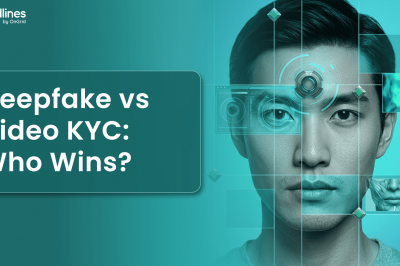
Deepfake vs Video KYC: Who Wins?
Digital onboarding has fundamentally transformed financial services. Opening a bank account, applying for credit, activating wallets, or onboarding merchants can now happen in minutes without paperwork, branch visits, or lengthy manual verification. At the center of this transformation sits Video KYC—a process built to make onboarding faster, compliant, and more secure. But a new threat…
-
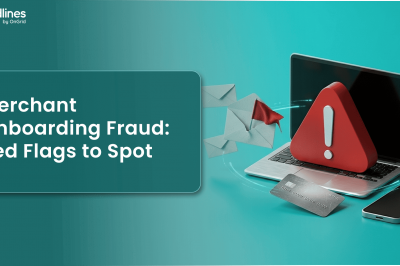
Merchant Onboarding Fraud: Red Flags to Spot
Whether you’re a payment aggregator, fintech platform, marketplace, lender, or SaaS provider, growth often depends on how seamlessly new merchants can start transacting. Faster onboarding means faster revenue, better merchant experiences, and improved competitiveness. But speed comes with a hidden risk. Fraudsters have become increasingly sophisticated in exploiting digital onboarding journeys. What appears to be…
-
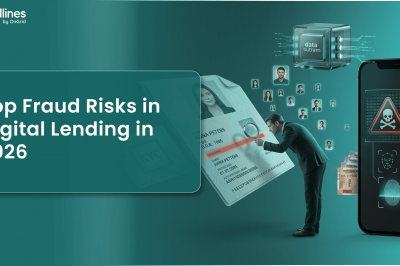
Top Fraud Risks in Digital Lending in 2026
The digital lending industry has come a long way from its early promise of instant approvals and paperless onboarding. Today, loan applications can be processed in minutes, customer journeys are fully digital, and alternative data has expanded credit access to millions of borrowers. But as lending becomes faster and more accessible, fraudsters are evolving just…
-
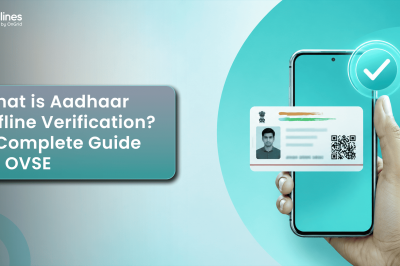
What is Aadhaar Offline Verification? A Complete Guide on OVSE
Most people building KYC flows in India think of Aadhaar authentication as a single thing — user enters number, gets OTP, done. But there’s a whole separate lane that doesn’t touch UIDAI’s servers at all. It’s called Aadhaar offline verification, and as of January 2026, UIDAI has published a full handbook on it. If you…
-

What Is Fraud Analytics? A Complete Guide
Trust has become one of the most valuable assets in the digital economy. Whether it is a bank onboarding a borrower, a fintech approving instant credit, a company hiring remote employees, or a marketplace activating sellers, every digital interaction begins with one assumption — the person or business on the other side is genuine. Unfortunately,…
-
What Is Contact Point Verification in Banking?
There’s a term that keeps appearing in RBI compliance circulars, payment aggregator directions, and KYC audit checklists — and most people in Indian fintech either gloss over it or quietly assume their current process covers it. That term is Contact Point Verification. And the gap between what it actually means and how it’s being implemented…
-
The Ultimate Guide to Fraud Monitoring in 2026
Let’s start with an uncomfortable truth: most fraud doesn’t announce itself. It doesn’t arrive looking suspicious. It arrives looking exactly like a legitimate customer, a valid transaction, a normal onboarding flow. And by the time the pattern is visible in a report, the damage is already sitting in a disputed transaction queue — or worse,…
Recent Posts





Categories
- APIs 63
- BFSI 81
- Digital Onboarding 91
- Gridlines 50
- Industry Insights 73
- KYB 11
- MSME 10
- Uncategorized 1
Tags
#GridlinesAPI address verification api AI in Fraud Detection aml API Integration APIIntegration Background check Business Verification digital KYC Digital Onboarding eKYC Employment Verification financial services fintech Fintech Solutions Fraud Prevention gridlines Gridlines API identity verification insurance kyc KYC API Last-Mile Delivery Security lending Prevent Delivery Fraud RC verification TrustEstablishment underwriting Verification video kyc