
APIs
-

Unlocking the Power of DigiLocker: Seamless Document Verification with Gridlines API
Introduction In an increasingly digital world, the need for secure, paperless documentation has never been greater. Governments, businesses, and individuals seek efficient ways to manage and verify identity documents without the hassle of physical paperwork. DigiLocker, a flagship initiative by the Government of India, provides a secure and convenient platform to store and share verified…
-

Understanding FSSAI License Number – What it is & How to Check Online?
In today’s food market, safety and quality assurance are paramount concerns for both consumers and businesses. The Food Safety and Standards Authority of India (FSSAI) serves as the regulatory cornerstone for ensuring food products meet stringent hygiene and safety standards across the country. Central to this regulatory framework is the FSSAI License Number—a distinctive 14-digit…
-

A Smarter Approach to Business Verification with Gridlines’ APIs
India’s business ecosystem is a dynamic mix of MSMEs and large enterprises, each playing a vital role in the economy. In a digital-first world, ensuring trust and transparency is crucial for forming strong partnerships. Whether onboarding vendors, lending to businesses, or maintaining compliance, verifying business legitimacy is key to mitigating risks, preventing fraud, and unlocking…
-
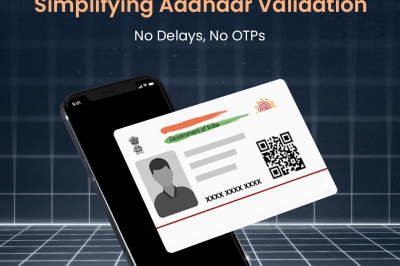
Simplifying Aadhaar Validation: No Delays, No OTPs
The digital transformation of services has brought about a significant shift in how businesses operate, with identity verification emerging as a critical component. The rise of online services has led to an increased need for reliable and swift identity checks to ensure compliance, prevent fraud, and enhance user experience. Traditional methods often involve lengthy processes…
-
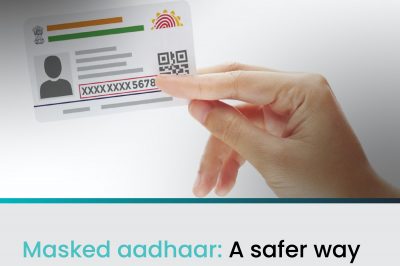
Masked Aadhaar: A Safer Way to Share Your Identity Securely
In a digital-first India, Aadhaar has become an essential identity proof for millions, serving purposes as diverse as availing government benefits to verifying identity for private services. However, sharing your Aadhaar information comes with risks, such as data misuse and identity theft. To address these concerns, the Unique Identification Authority of India (UIDAI) introduced the…
-

Active Liveness Detection: The Key to Dynamic Identity Verification
With digital interactions and online transactions becoming a core part of everyday life, verifying identities securely has become essential for companies, particularly in sectors like finance, healthcare, and telecommunications. Yet, traditional methods of identity verification often fall short in protecting against sophisticated spoofing attacks, where fraudsters attempt to deceive systems with photos, videos, or even…
-
Address Verification APIs: Streamline Onboarding, Enhance Contactability and more!
Introduction The digital economy’s global connectivity enables businesses to operate and reach customers worldwide but also increases the risk of fraud. To minimize the risk involved, the companies must include robust security measures, in this age of real-time APIs one such solution is the use of Address Verification APIs. Integrating these can help mitigate address-related…
-
Bank Account Verification: A Must-Have for Enhanced Security
Introduction Banks and financial businesses are constantly seeking innovative ways to improve their operations in verifying customer identities during onboarding and transactional processes, ensuring compliance to mitigate underwriting risks. One crucial area that has undergone significant transformation is bank account verification. When a consumer opens a bank account or provides bank account details for any…
-
Understanding eKYC: What It Is and the Importance of Validation APIs
Understanding eKYC eKYC is the digitized version of the traditional ‘know your customer’ (KYC) process. The Reserve Bank of India (RBI) mandates financial institutions to carry out KYC for verifying and authenticating a customer’s personal data using government authorized OVDs(officially valid documents). With eKYC, authorized organizations and agents verify a customer’s identity and address digitally…
-
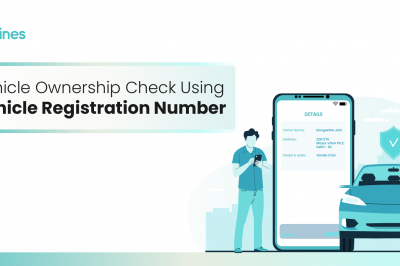
Vehicle Ownership Check Using Vehicle Registration Number
Ever come across a car with a dented bumper and wondered who the owner might be? Or maybe you’re in the market for a used vehicle and want to verify its registration details. Whether you’re buying a used car, verifying details for insurance purposes, or simply curious about a vehicle’s history. Whatever the reason, knowing…
Recent Posts
- Merchant Onboarding: A Complete Guide to KYC, Risk Management & Payouts

- Video PD for Loans: Faster Borrower Assessment and Underwriting

- Online Address Verification: A Faster, Remote Approach to Customer Onboarding

- Identity SDK for Retail KYC: Aadhaar, DigiLocker and CKYC 2.0

- ID OCR for Indian Documents: Scripts, Old Cards, Poor Photos

Categories
- APIs 68
- BFSI 96
- Digital Onboarding 106
- Gridlines 50
- Industry Insights 78
- KYB 14
- MSME 10
- Uncategorized 1
Tags
#GridlinesAPI address verification api AI in Fraud Detection aml API Integration APIIntegration Background check Business Verification digital KYC Digital Onboarding eKYC Employment Verification financial services fintech Fintech Solutions Fraud Prevention gridlines Gridlines API identity verification insurance kyc KYC API Last-Mile Delivery Security lending Prevent Delivery Fraud RC verification TrustEstablishment underwriting Verification video kyc