
APIs
-

Revolutionizing Insurance: Remote & Contactless Customer Onboarding Made Easy
The insurance industry is undergoing a transformative shift. Traditional paper-heavy and time-consuming onboarding processes are quickly becoming obsolete, giving way to smarter, faster, and safer methods. Enter remote and contactless onboarding—a game-changer that is not only improving customer experience but also streamlining operations for insurers. This revolutionary shift is redefining how customers engage with insurance…
-
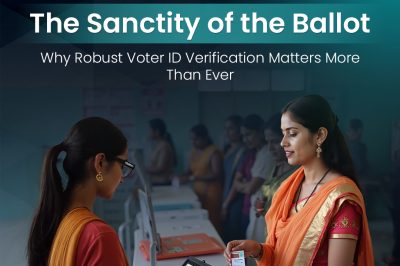
The Sanctity of the Ballot: Why Robust Voter ID Verification Matters More Than Ever
Elections are how people choose their leaders and have a say in how things are run. It’s super important that this process is fair. If it’s not, people lose trust, and it’s bad for everyone. Today, with new technology, there are new ways people might try to cheat in elections, especially by faking who they…
-
How Real-Time Loan Disbursement is Changing Digital Lending
In today’s fast-paced world, financial services are under constant pressure to deliver faster, more efficient solutions. One major innovation reshaping the landscape is Real-time Loan Disbursement. Gone are the days when borrowers had to wait for days or even weeks to access funds. Thanks to advancements in technology, digital lenders can now offer instant access…
-

India’s Evolving Data Privacy Laws: What Businesses Need to Know
Data has become a crucial asset for various industries or sectors. Every online interaction, whether it’s a financial transaction, a loan application, or a customer verification process, generates valuable data. This wealth of information is essential for making informed decisions, personalizing services, and assessing risks effectively. However, with the power that data brings comes the…
-

Verify Udyam Registration Instantly with Gridlines MSME API
For platforms working with Micro, Small, and Medium Enterprises (MSMEs), speed, compliance, and data accuracy are essential — especially during onboarding. One critical step in this process is the verification of the Udyam Registration Number, which confirms an MSME’s official status. With API-first solutions like Gridlines, this verification can now be completed instantly, securely, and…
-

Why KYB is Non-Negotiable in B2B Transactions
Business-to-business (B2B) transactions are occurring at unprecedented volumes and speeds. With this rapid growth comes increased complexity—and heightened risk. Whether you’re a fintech startup, a digital platform facilitating vendor payments, or a financial institution offering credit lines to SMEs, one key process has emerged as indispensable: KYB (Know Your Business). While most professionals are familiar…
-

The Future of Instant Business Loans: Trends & Innovations
Instant business loans have emerged as a game-changer for startups, SMEs, and even larger enterprises looking to seize opportunities without delay. Gone are the days of lengthy paperwork, weeks of approval time, and uncertain outcomes. Today’s businesses demand speed, transparency, and flexibility—and lenders are stepping up with tech-driven solutions. As we look to the future,…
-
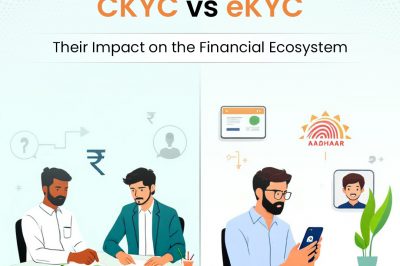
CKYC vs eKYC: Their Impact on the Financial Ecosystem
Identity verification plays a vital role in shaping the future of financial services. With the need for secure and seamless onboarding, the KYC (Know Your Customer) process has evolved from traditional paper-based systems to more sophisticated, digital-first solutions. Among these, CKYC vs. eKYC has become a central discussion point in understanding how these frameworks impact…
-
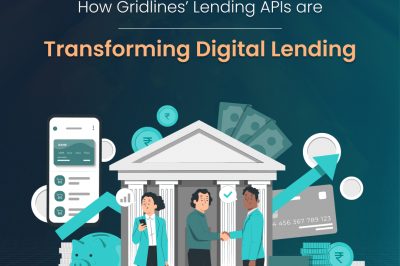
How Gridlines’ Lending APIs are Transforming Digital Lending
Lending has always been about balancing risk and opportunity. But in today’s fast-paced digital world, traditional lending processes are struggling to keep up. Slow approvals, fraudulent applications, and inefficient risk assessments continue to plague financial institutions, affecting both customer experience and profitability. Enter Gridlines’ Lending APIs—a game-changer that is reshaping how lenders approve loans, detect…
-

How AI is Shaping the Future of the Indian Fintech Industry
The fintech sector in India is experiencing a remarkable transformation, driven by the rapid adoption of innovative technologies. Among these technologies, Artificial Intelligence (AI) stands out as a game changer, disrupting the way financial services are provided. AI is enhancing customer experiences, bolstering security, and streamlining operations, opening up new opportunities for fintech companies to…
Recent Posts
- Merchant Onboarding: A Complete Guide to KYC, Risk Management & Payouts

- Video PD for Loans: Faster Borrower Assessment and Underwriting

- Online Address Verification: A Faster, Remote Approach to Customer Onboarding

- Identity SDK for Retail KYC: Aadhaar, DigiLocker and CKYC 2.0

- ID OCR for Indian Documents: Scripts, Old Cards, Poor Photos

Categories
- APIs 68
- BFSI 96
- Digital Onboarding 106
- Gridlines 50
- Industry Insights 78
- KYB 14
- MSME 10
- Uncategorized 1
Tags
#GridlinesAPI address verification api AI in Fraud Detection aml API Integration APIIntegration Background check Business Verification digital KYC Digital Onboarding eKYC Employment Verification financial services fintech Fintech Solutions Fraud Prevention gridlines Gridlines API identity verification insurance kyc KYC API Last-Mile Delivery Security lending Prevent Delivery Fraud RC verification TrustEstablishment underwriting Verification video kyc