
-
Digital Address Verification vs Physical Verification
Address verification has long been associated with physical field visits. A verification executive visits the customer’s address, confirms the location, collects relevant evidence and submits a verification report. For banks, NBFCs, fintechs and other businesses processing customers at scale, however, physical verification can become difficult to sustain as the default approach for every case. The…
-
Digital Address Verification: How Banks and NBFCs Can Verify Addresses Without Field Visits
Address verification has traditionally been one of the more operationally intensive steps in customer onboarding for banks and NBFCs. A customer provides an address, a verification executive visits the location, evidence is collected, and the findings are subsequently recorded for review. While this approach can provide physical evidence, it also introduces time, coordination and operational…
-
Loan Recovery Technology: Using Digital Intelligence to Improve Borrower Contactability
Loan recovery teams work with one fundamental requirement: they need to be able to reach the borrower. But borrower contactability can deteriorate over time. The phone number available in the loan application may no longer be active. The customer may have moved to a different address. An email may no longer work. A borrower may…
-
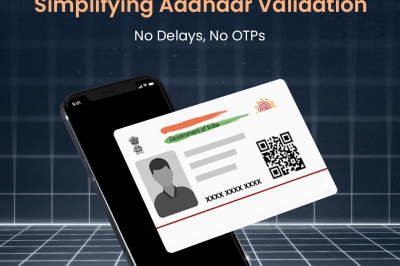
Simplifying Aadhaar Validation: No Delays, No OTPs
The digital transformation of services has brought about a significant shift in how businesses operate, with identity verification emerging as a critical component. The rise of online services has led to an increased need for reliable and swift identity checks to ensure compliance, prevent fraud, and enhance user experience. Traditional methods often involve lengthy processes…
-

Deepfake and AI Fraud: A Rising Danger to the BFSI
As we navigate the complex landscape of modern cybersecurity, a pressing question arises: Can financial institutions stay ahead of the rapidly evolving threat of AI-driven deepfakes? The Banking, Financial Services, and Insurance (BFSI) sector is facing unprecedented challenges due to the rapid advancement of Artificial Intelligence (AI) and deepfake technology. These technological developments have transformed…
-
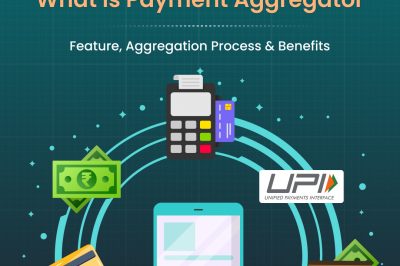
What is Payment Aggregator: Feature, Aggregation Process & Benefits
Introduction In our increasingly digital economy, the ability to process online transactions efficiently has become essential for businesses of all sizes. Payment aggregators serve as critical intermediaries that simplify the complex ecosystem of digital payments. This guide explores how payment aggregators function, their advantages, potential challenges, and the regulatory environment they operate within. Understanding Payment…
-

Game On with Trust: The Vital Role of KYC in the Gaming Industry
The gaming industry has undergone a massive transformation in recent years, evolving from traditional arcades to sophisticated online platforms. Along with its meteoric growth, the industry faces a growing set of challenges, particularly regarding compliance with Know Your Customer (KYC) regulations. As regulators worldwide tighten their grip on identity verification and anti-money laundering (AML) measures,…
-
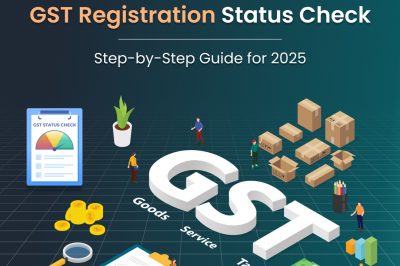
GST registration status check
The Goods and Services Tax (GST) system in India has revolutionized the way businesses operate by simplifying tax processes. As a cornerstone of financial compliance, every business registered under GST receives a unique Goods and Services Tax Identification Number (GSTIN). Whether you’re a business owner, tax consultant, or simply a taxpayer, checking the status of…
-

The API Advantage: Simplifying Underwriting for NBFCs
Non-Banking Financial Companies (NBFCs) play a pivotal role in driving financial inclusion, offering credit to individuals and businesses often underserved by traditional banks. However, the underwriting process—evaluating a borrower’s creditworthiness—has long been a complex and time-consuming task. With the advent of underwriting APIs, this narrative is rapidly changing. These technologies streamline decision-making, reduce operational costs,…
-
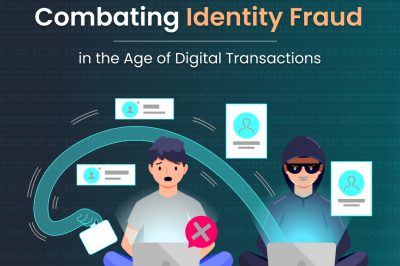
Combating Identity Fraud in the Age of Digital Transactions
In today’s hyper-connected world, digital transactions have become a cornerstone of modern commerce, offering unparalleled convenience and accessibility. Yet, this rapid shift to digital platforms has also opened the door to a growing menace: identity fraud. As industries like fintech, e-commerce, and telecom expand their online operations, the need for robust fraud prevention strategies has…
-

From Paperwork to Pixels: Exploring the World of Digital Lending
The digital revolution has transformed countless industries, and lending is no exception. Digital lending has emerged as a seamless, efficient, and paperless solution for borrowers and lenders alike. This guide will explore the world of digital lending, its benefits, how it works, and what the future holds for this innovative financial solution. What is digital…
-

UPI-Based Reverse Penny Drop: Transforming Bank Account Verification for Modern Businesses
In today’s digital era, seamless and secure transactions are critical to building trust between financial institutions and customers. Bank account verification is a cornerstone of this process, ensuring that individuals and businesses can conduct transactions without risk or fraud. With the growing prominence of Unified Payments Interface (UPI) in India, reverse penny drop verification has…
-

Safeguarding Privacy in Aadhaar Card KYC: Risks, Solutions, and Best Practices
In today’s digital-first economy, Aadhaar card-based Know Your Customer (KYC) processes are pivotal for seamless identity verification. With over 1.3 billion people in India enrolled in the Aadhaar system, its integration into KYC protocols across banking, fintech, and other sectors has significantly enhanced efficiency. However, this integration also raises substantial concerns around data privacy, identity…