
-
AI Document Verification: From OCR to Fraud Detection
Digital onboarding has made it possible for customers and businesses to open accounts, apply for financial products and access services without visiting a branch or submitting physical documents. But there is a catch: the faster onboarding becomes, the more important it is to know whether the documents being submitted are genuine. A scanned identity document…
-
Court Record Checks vs AML Screening: Why Both Matter
When organisations assess the risk associated with a person, customer, employee, partner or business relationship, one check rarely tells the complete story. A criminal or court record can reveal legal proceedings, while AML screening can identify exposure to sanctions, politically exposed persons and other financial-crime risks. This is why understanding court record checks vs AML…
-
Adverse Media Screening: What to Check Beyond a Name Search
Searching a customer’s name across news sources sounds straightforward. In practice, it is one of the more difficult parts of modern financial crime screening. A name search can surface hundreds of results, but very few may actually relate to the person or business being screened. At the same time, relying only on an exact-name match…
-

A Smarter Approach to Business Verification with Gridlines’ APIs
India’s business ecosystem is a dynamic mix of MSMEs and large enterprises, each playing a vital role in the economy. In a digital-first world, ensuring trust and transparency is crucial for forming strong partnerships. Whether onboarding vendors, lending to businesses, or maintaining compliance, verifying business legitimacy is key to mitigating risks, preventing fraud, and unlocking…
-

Simplifying Aadhaar Validation: No Delays, No OTPs
The digital transformation of services has brought about a significant shift in how businesses operate, with identity verification emerging as a critical component. The rise of online services has led to an increased need for reliable and swift identity checks to ensure compliance, prevent fraud, and enhance user experience. Traditional methods often involve lengthy processes…
-
Deepfake and AI Fraud: A Rising Danger to the BFSI
As we navigate the complex landscape of modern cybersecurity, a pressing question arises: Can financial institutions stay ahead of the rapidly evolving threat of AI-driven deepfakes? The Banking, Financial Services, and Insurance (BFSI) sector is facing unprecedented challenges due to the rapid advancement of Artificial Intelligence (AI) and deepfake technology. These technological developments have transformed…
-
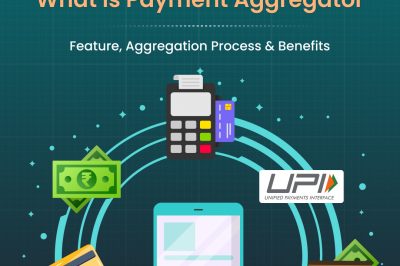
What is Payment Aggregator: Feature, Aggregation Process & Benefits
Introduction In our increasingly digital economy, the ability to process online transactions efficiently has become essential for businesses of all sizes. Payment aggregators serve as critical intermediaries that simplify the complex ecosystem of digital payments. This guide explores how payment aggregators function, their advantages, potential challenges, and the regulatory environment they operate within. Understanding Payment…
-

Game On with Trust: The Vital Role of KYC in the Gaming Industry
The gaming industry has undergone a massive transformation in recent years, evolving from traditional arcades to sophisticated online platforms. Along with its meteoric growth, the industry faces a growing set of challenges, particularly regarding compliance with Know Your Customer (KYC) regulations. As regulators worldwide tighten their grip on identity verification and anti-money laundering (AML) measures,…
-
GST registration status check
The Goods and Services Tax (GST) system in India has revolutionized the way businesses operate by simplifying tax processes. As a cornerstone of financial compliance, every business registered under GST receives a unique Goods and Services Tax Identification Number (GSTIN). Whether you’re a business owner, tax consultant, or simply a taxpayer, checking the status of…
-
The API Advantage: Simplifying Underwriting for NBFCs
Non-Banking Financial Companies (NBFCs) play a pivotal role in driving financial inclusion, offering credit to individuals and businesses often underserved by traditional banks. However, the underwriting process—evaluating a borrower’s creditworthiness—has long been a complex and time-consuming task. With the advent of underwriting APIs, this narrative is rapidly changing. These technologies streamline decision-making, reduce operational costs,…
-
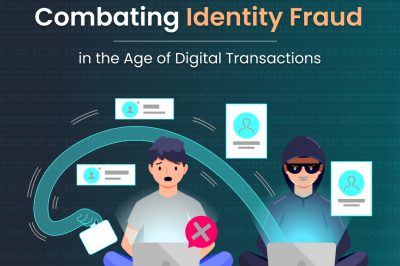
Combating Identity Fraud in the Age of Digital Transactions
In today’s hyper-connected world, digital transactions have become a cornerstone of modern commerce, offering unparalleled convenience and accessibility. Yet, this rapid shift to digital platforms has also opened the door to a growing menace: identity fraud. As industries like fintech, e-commerce, and telecom expand their online operations, the need for robust fraud prevention strategies has…
-

From Paperwork to Pixels: Exploring the World of Digital Lending
The digital revolution has transformed countless industries, and lending is no exception. Digital lending has emerged as a seamless, efficient, and paperless solution for borrowers and lenders alike. This guide will explore the world of digital lending, its benefits, how it works, and what the future holds for this innovative financial solution. What is digital…
-
UPI-Based Reverse Penny Drop: Transforming Bank Account Verification for Modern Businesses
In today’s digital era, seamless and secure transactions are critical to building trust between financial institutions and customers. Bank account verification is a cornerstone of this process, ensuring that individuals and businesses can conduct transactions without risk or fraud. With the growing prominence of Unified Payments Interface (UPI) in India, reverse penny drop verification has…