
-
Digital Address Verification vs Physical Verification
Address verification has long been associated with physical field visits. A verification executive visits the customer’s address, confirms the location, collects relevant evidence and submits a verification report. For banks, NBFCs, fintechs and other businesses processing customers at scale, however, physical verification can become difficult to sustain as the default approach for every case. The…
-
Digital Address Verification: How Banks and NBFCs Can Verify Addresses Without Field Visits
Address verification has traditionally been one of the more operationally intensive steps in customer onboarding for banks and NBFCs. A customer provides an address, a verification executive visits the location, evidence is collected, and the findings are subsequently recorded for review. While this approach can provide physical evidence, it also introduces time, coordination and operational…
-
Loan Recovery Technology: Using Digital Intelligence to Improve Borrower Contactability
Loan recovery teams work with one fundamental requirement: they need to be able to reach the borrower. But borrower contactability can deteriorate over time. The phone number available in the loan application may no longer be active. The customer may have moved to a different address. An email may no longer work. A borrower may…
-

The Future of Instant Business Loans: Trends & Innovations
Instant business loans have emerged as a game-changer for startups, SMEs, and even larger enterprises looking to seize opportunities without delay. Gone are the days of lengthy paperwork, weeks of approval time, and uncertain outcomes. Today’s businesses demand speed, transparency, and flexibility—and lenders are stepping up with tech-driven solutions. As we look to the future,…
-

The Rise of Money Mule Accounts: How Banks & NBFCs Can Detect Them
“You don’t need to rob a bank to launder money these days — you just need a naive customer and a smartphone.” Money mule accounts are rapidly becoming a preferred weapon of choice for cybercriminals. As banks and NBFCs invest in sophisticated digital infrastructure, criminals adapt and exploit human loopholes instead — namely, unsuspecting or…
-
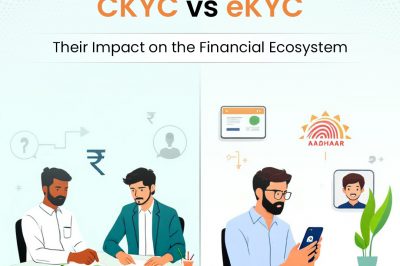
CKYC vs eKYC: Their Impact on the Financial Ecosystem
Identity verification plays a vital role in shaping the future of financial services. With the need for secure and seamless onboarding, the KYC (Know Your Customer) process has evolved from traditional paper-based systems to more sophisticated, digital-first solutions. Among these, CKYC vs. eKYC has become a central discussion point in understanding how these frameworks impact…
-

Hidden Impact of Money Laundering in Global Economy
Money laundering is a significant financial crime that poses a hidden threat to economies, markets, and vital sectors worldwide. It involves disguising the origin of illicit funds to make them appear legitimate, often through a series of complex financial transactions. While the immediate impacts of money laundering, such as financial fraud, are widely recognized, its…
-
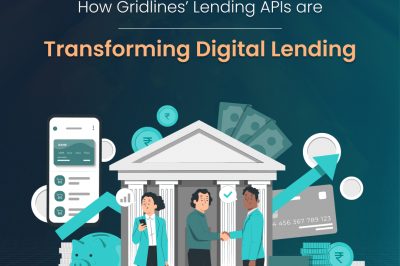
How Gridlines’ Lending APIs are Transforming Digital Lending
Lending has always been about balancing risk and opportunity. But in today’s fast-paced digital world, traditional lending processes are struggling to keep up. Slow approvals, fraudulent applications, and inefficient risk assessments continue to plague financial institutions, affecting both customer experience and profitability. Enter Gridlines’ Lending APIs—a game-changer that is reshaping how lenders approve loans, detect…
-
How AI is Shaping the Future of the Indian Fintech Industry
The fintech sector in India is experiencing a remarkable transformation, driven by the rapid adoption of innovative technologies. Among these technologies, Artificial Intelligence (AI) stands out as a game changer, disrupting the way financial services are provided. AI is enhancing customer experiences, bolstering security, and streamlining operations, opening up new opportunities for fintech companies to…
-
Why Indian Startups Must Implement a Robust KYC Strategy for Long-Term Growth
In today’s dynamic and increasingly competitive Indian startup ecosystem, implementing a robust Know Your Customer (KYC) strategy has become a critical foundation for sustainable growth. As startups strive to differentiate themselves and scale operations in a crowded marketplace, effective KYC processes serve multiple essential functions beyond mere compliance—they build crucial customer trust, strengthen fraud prevention…
-

Unlocking the Power of DigiLocker: Seamless Document Verification with Gridlines API
Introduction In an increasingly digital world, the need for secure, paperless documentation has never been greater. Governments, businesses, and individuals seek efficient ways to manage and verify identity documents without the hassle of physical paperwork. DigiLocker, a flagship initiative by the Government of India, provides a secure and convenient platform to store and share verified…
-

Understanding FSSAI License Number – What it is & How to Check Online?
In today’s food market, safety and quality assurance are paramount concerns for both consumers and businesses. The Food Safety and Standards Authority of India (FSSAI) serves as the regulatory cornerstone for ensuring food products meet stringent hygiene and safety standards across the country. Central to this regulatory framework is the FSSAI License Number—a distinctive 14-digit…
-

A Smarter Approach to Business Verification with Gridlines’ APIs
India’s business ecosystem is a dynamic mix of MSMEs and large enterprises, each playing a vital role in the economy. In a digital-first world, ensuring trust and transparency is crucial for forming strong partnerships. Whether onboarding vendors, lending to businesses, or maintaining compliance, verifying business legitimacy is key to mitigating risks, preventing fraud, and unlocking…