
-
Merchant Onboarding: A Complete Guide to KYC, Risk Management & Payouts
Merchant onboarding is a critical step in building a trusted digital payments ecosystem. For banks, payment aggregators, payment gateways and merchant acquiring businesses, onboarding a merchant involves much more than collecting documents and activating a payment account. Businesses need to establish merchant identity, validate business credentials, assess potential risks and ensure that onboarding processes meet…
-
Video PD for Loans: Faster Borrower Assessment and Underwriting
A loan application can contain financial statements, identity documents, bank records and other supporting information. Yet, for many lending decisions, there is still a need to speak directly with the borrower. This conversation can help lenders understand the purpose of the loan, clarify information in the application and develop a better picture of the borrower’s…
-
Online Address Verification: A Faster, Remote Approach to Customer Onboarding
An address may seem like a straightforward detail to verify during customer onboarding. In practice, it can become one of the most time-consuming steps, particularly for banks, NBFCs, fintech companies and other businesses that rely on physical address verification. A field agent may need to visit the customer’s residence, coordinate a suitable time, collect evidence…
-
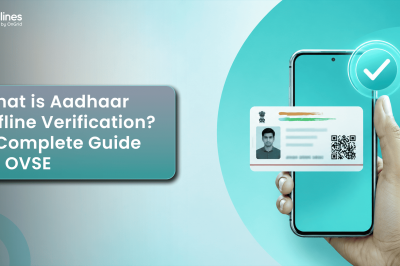
What is Aadhaar Offline Verification? A Complete Guide on OVSE
Most people building KYC flows in India think of Aadhaar authentication as a single thing — user enters number, gets OTP, done. But there’s a whole separate lane that doesn’t touch UIDAI’s servers at all. It’s called Aadhaar offline verification, and as of January 2026, UIDAI has published a full handbook on it. If you…
-

Benefits of Video KYC Modern Banks Can’t Ignore
There’s a branch I used to visit every other month. Long queues, a harassed relationship manager, forms that asked for the same information three times. The experience was exhausting — and I wasn’t even applying for a loan. I was just updating my address. That was six years ago. Today, that same bank onboards customers…
-

Top 8 KYC Risks in Insurance Onboarding
Insurance onboarding has changed dramatically over the last few years. Customers now expect instant policy issuance, digital documentation, paperless onboarding, and remote verification. Whether it is health insurance, motor insurance, life insurance, or embedded insurance products sold through fintech and banking channels, speed has become a competitive advantage. But faster onboarding has also created new…
-

What Is Fraud Analytics? A Complete Guide
Trust has become one of the most valuable assets in the digital economy. Whether it is a bank onboarding a borrower, a fintech approving instant credit, a company hiring remote employees, or a marketplace activating sellers, every digital interaction begins with one assumption — the person or business on the other side is genuine. Unfortunately,…
-

eSign API Explained: How Digital Signing Works in India
Somewhere in your onboarding flow right now, there’s a step that doesn’t belong. A user has completed everything digitally — submitted their details, cleared KYC, been approved — and then you’re asking them to print something. Or sign a PDF image. Or show up somewhere in person. That step is costing you conversions, operations bandwidth,…
-
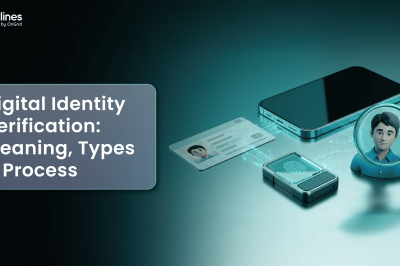
Digital Identity Verification: Meaning, Types & Process
Every product team building an onboarding flow eventually hits the same wall. You’ve designed a clean signup experience. The drop-off numbers look decent. But somewhere in the backend, a fraud case surfaces. Or a compliance audit raises questions about how you’re verifying who your users actually are. Or a regulator comes knocking, and the answer…
-
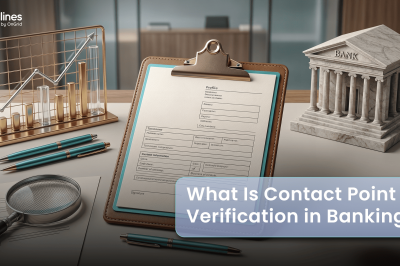
What Is Contact Point Verification in Banking?
There’s a term that keeps appearing in RBI compliance circulars, payment aggregator directions, and KYC audit checklists — and most people in Indian fintech either gloss over it or quietly assume their current process covers it. That term is Contact Point Verification. And the gap between what it actually means and how it’s being implemented…
-
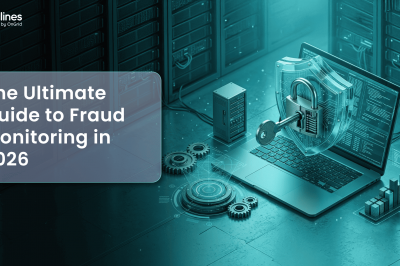
The Ultimate Guide to Fraud Monitoring in 2026
Let’s start with an uncomfortable truth: most fraud doesn’t announce itself. It doesn’t arrive looking suspicious. It arrives looking exactly like a legitimate customer, a valid transaction, a normal onboarding flow. And by the time the pattern is visible in a report, the damage is already sitting in a disputed transaction queue — or worse,…
-
FSSAI Registration: Meaning, Process & Requirements
If you’re running a food business in India—whether it’s a home kitchen, a cloud kitchen brand, a packaged snacks startup, or even a small café—there’s one thing you can’t ignore: FSSAI Registration. It’s often seen as just another compliance checkbox. But in reality, it plays a much bigger role. It signals trust, ensures food safety,…
-
KYC Process in Banks: Simplifying Digital Onboarding
Walk into any bank branch in India ten years ago, and you’d leave with a token number, a stack of photocopies, and the quiet understanding that opening an account would take at least a week. Today, that entire experience can happen on a phone in under ten minutes — if the bank has its KYC…